




The First Inhabitants: Craftsmen of the Coast
The first inhabitants of County Down arrived during the Mesolithic period (approx 8,000 BC), crossing the North Channel from Scotland in wooden canoes. These semi-nomadic people moved seasonally to follow food sources. Living near the Quoile and the rich waters of Strangford Lough, they enjoyed an abundance of fish, but what truly defines their legacy today is their remarkable craftsmanship.
.jpg)
Tools: The Backbone of Prehistoric Survival
During the Mesolithic and Neolithic periods (c. 8000 BC - 2000 BC), tools defined the hunter-gatherer lifestyle. While flint production was immense, yielding arrowheads, spears, and knives, it is the stone tools that offer the most intimate connection to their daily lives, serving purposes ranging from practical tasks to complex ceremonial rituals.
Highlights from Our Collection:
-
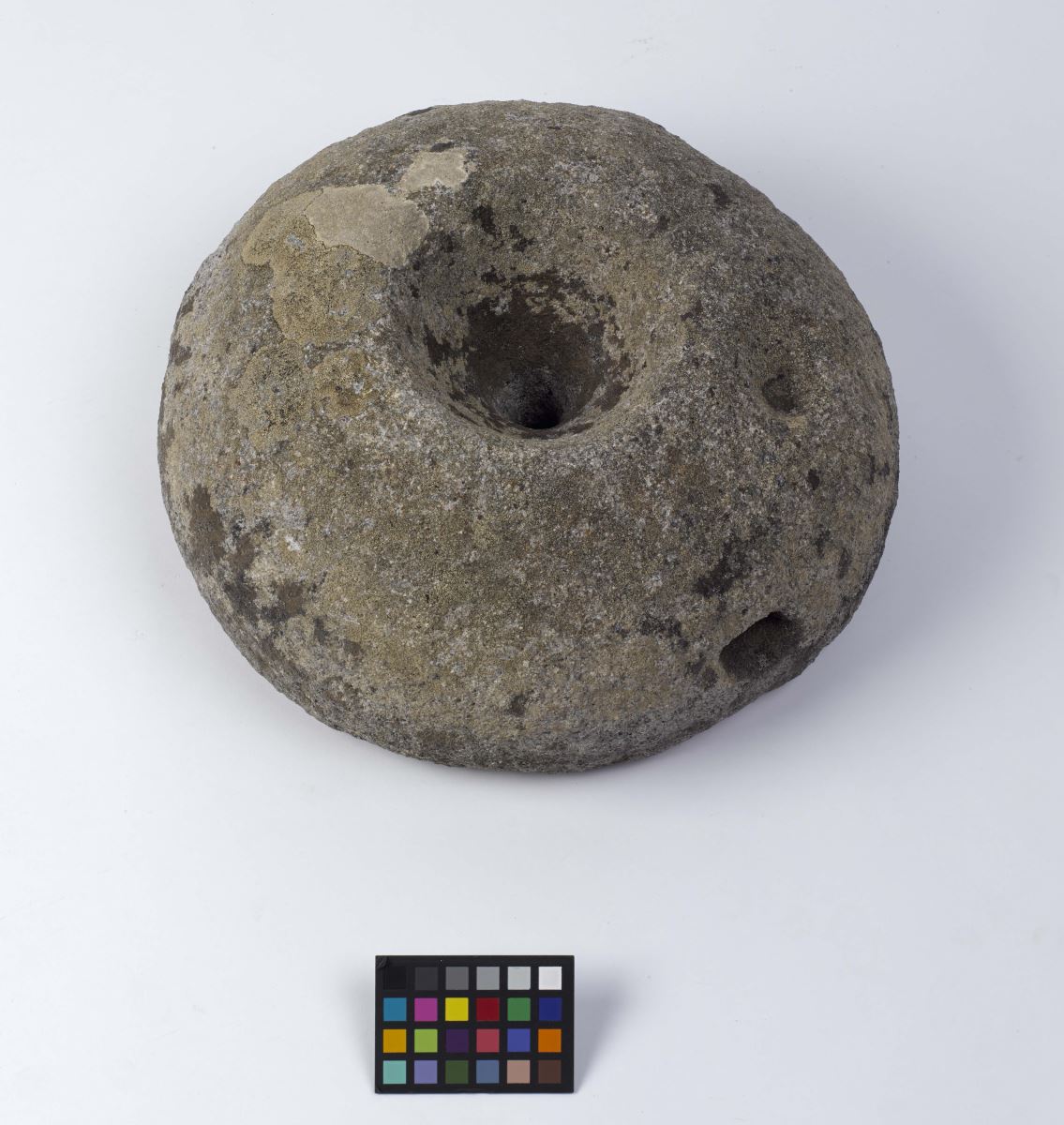
Mortars: These were essential for everyday life, used to grind small amounts of grain and cereals, not unlike how we use a mortar and pestle for spices today. These round or oval stones featured depressions on either side, where grain was placed and ground down with a smaller stone. Visit our High Cross Gallery to see a large rotary quern.
-
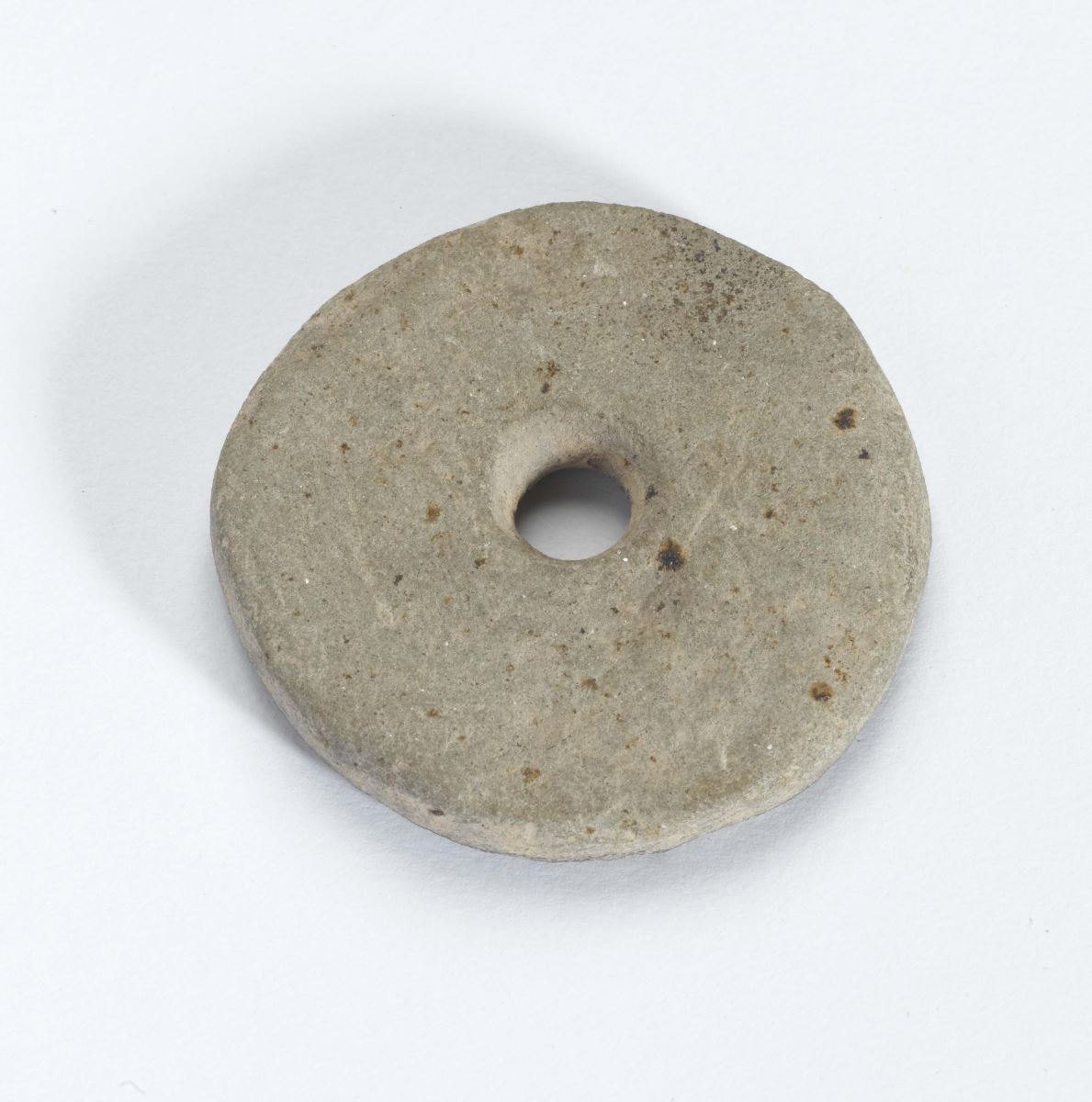
Spindle Whorls: These provide a fascinating look at early textile production. Placed at the bottom of a spindle to provide weight and momentum, they allowed individuals to twist fiber into yarn. While these were eventually succeeded by the spinning wheel, they led the way for the development of the modern textile industry. You can view examples of our spindle whorls in the Prehistory Gallery.
-
Personal Adornment: Prehistoric people crafted pendants from polished, locally sourced stone, pierced and hung on simple cords, alongside intricate stone beads for necklaces. Examles of these can be seen displayed in our Prehistory Gallery.
.jpg)
-
Stone Axes: Arguably the most important tools of the era, axes were used to clear forest lands and for wood working, eventually over time they became significant for trade, ceremonial rituals and symbols of status and power. Ceremonial axes are identified usually by their lack of practicality, either too heavy, large or made from exotic material. These are often found in bogs and tombs. There were several polished stone axes found near a cist burial during archaeological investigations on the Myra Road in Raholp, just outside Downpatrick. When Ballynoe Stone Circle was excavated in 1937-1938, several stone axes were uncovered too, left as grave goods for the dead. Down County Museum features stone axes, the one displayed for object of the month (June 2026) is damaged, someone probably went a bit crazy chopping wood!
Connecting with Our Heritage
Archaeology is so important to understand our past and how far we have come with our tools and technology. With the excavated evidence we can see how prehistoric inventions have developed or in many ways have stayed the same, such as a mortar and pestle. It brings us that little bit closer to understanding our heritage and what it was like to live in prehistoric County Down.
Visit Down County Museum to see these incredible pieces of our history in person. Check our 'What's On' page for current exhibition details.