




Down County Museum holds a remarkable collection of medical objects that reveal the changing nature of healthcare, surgery, and everyday hospital life from the 19th century to the late 20th century. Many of these items were donated following the closure of the Downe Hospital’s 19th century site, creating a rich archive of tools, documents, and personal items connected to generations of local medical practice.
.jpg)
Surgery on the Front Lines: The Gracey Amputation Set
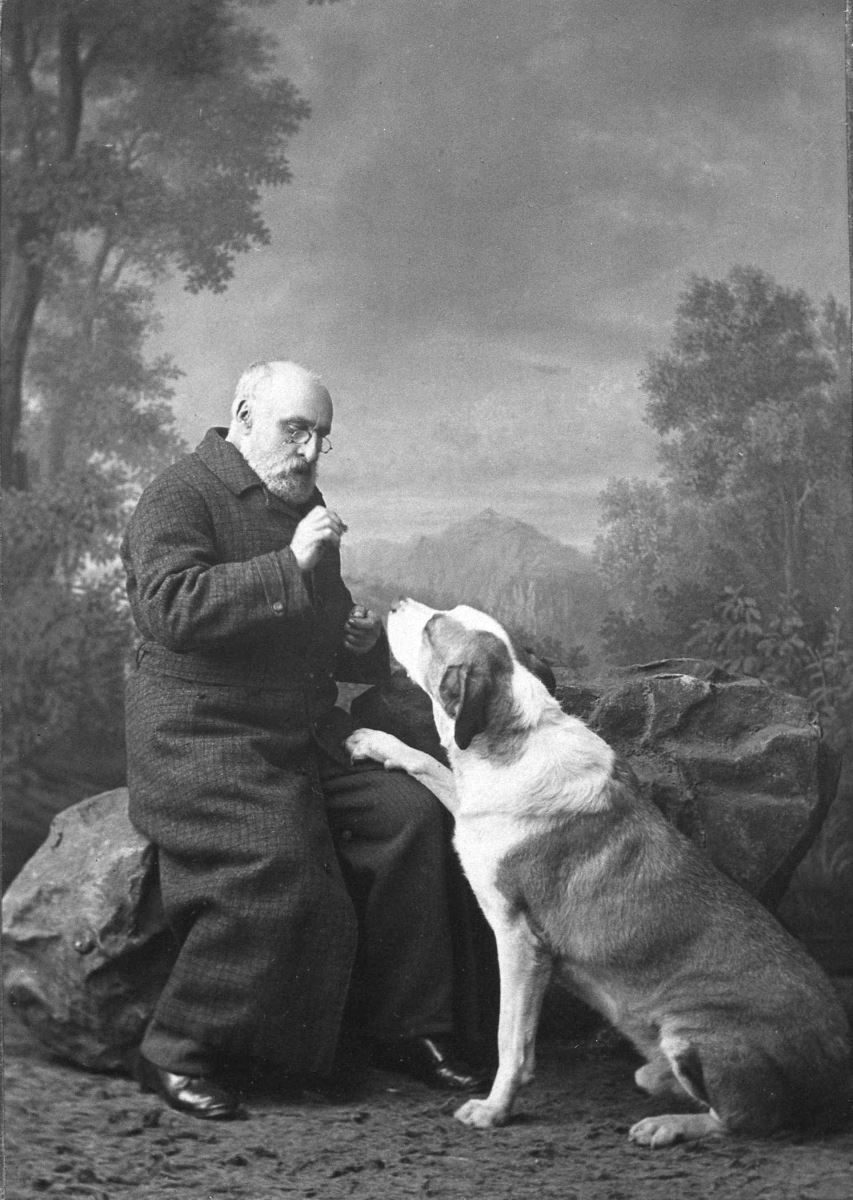
Dr Alexander L. Gracey with his dog
One of the most striking objects in the collection is an amputation set awarded to Alexander Leslie Gracey. Gracey, a member of the Ballyhosset branch of the Gracey family, trained in Edinburgh and qualified as a surgeon in 1855 before serving in the Crimean War.
The set includes a bone saw, surgical knives, forceps, and a trephine—tools used in battlefield surgery, where amputation was sometimes the only life‑saving option available and often carried out without anaesthesia. The set offers a vivid glimpse into the realities of 19th‑century military medicine.
A Collection Spanning Centuries of Care
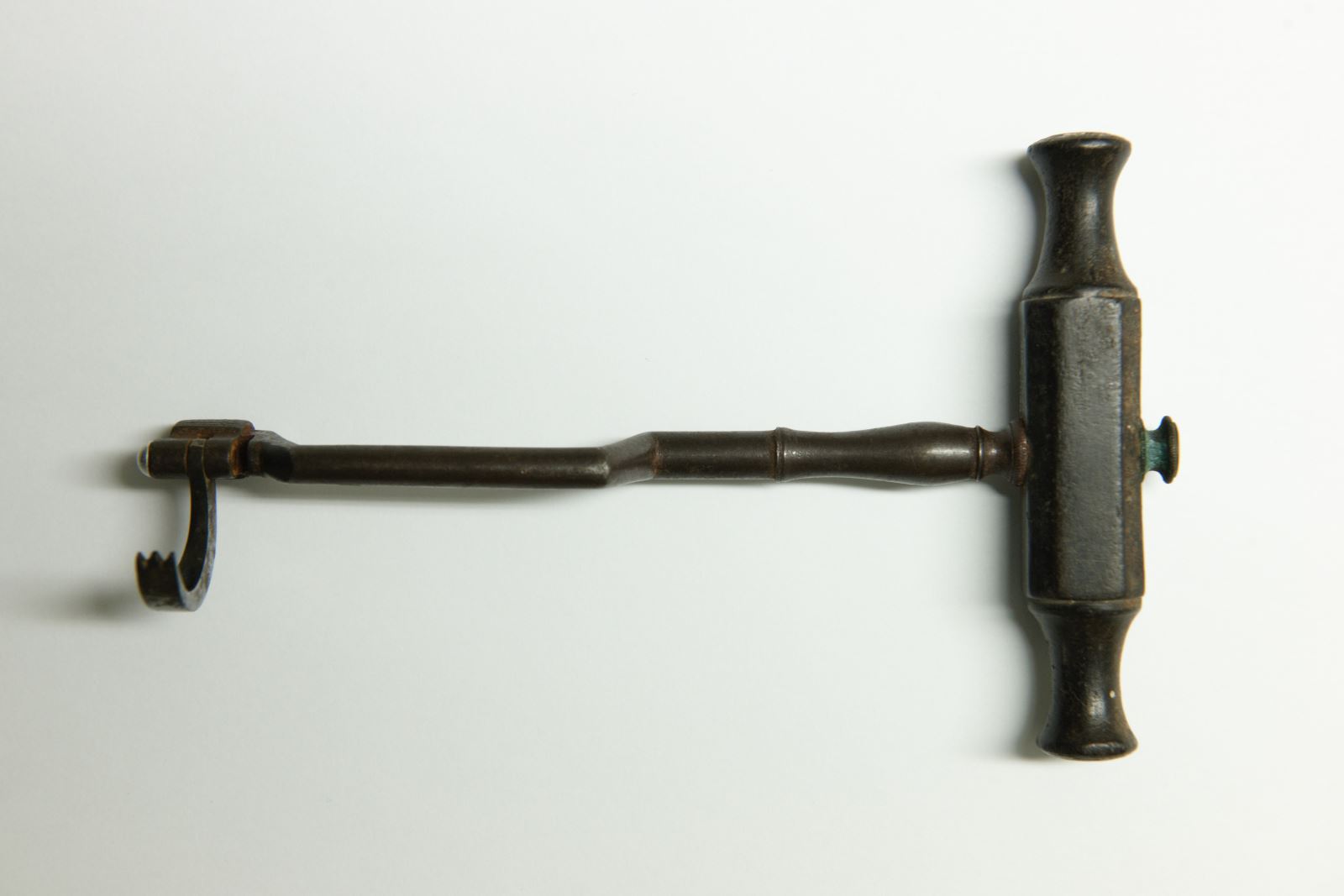
Dental instrument for extracting teeth (c1800-1820)
These items are only a small part of the hundreds of medical objects preserved at Down County Museum. Many came directly from the historic Downe Hospital, creating a comprehensive record of medical life over more than a century.
The wider collection includes 19th‑century tooth extractors and bone saws, early 20th‑century lung retractors and catheters, nurses’ uniforms, medical certificates, a 1980s maternity ward telephone, and a night‑shift torch used by staff.
These objects tell personal and professional stories—from tools that shaped surgical innovation to everyday items that supported patient care, communication, and hospital routines.
Preserving Stories of Care and Community
The medical collection at Down County Museum helps trace the local history of healthcare, highlighting the evolution of medical practice and the lived experience of staff and patients. Each object, whether a finely crafted instrument or a simple ward telephone, holds a story about the people who used it and the community it served.